Building specialized eating disorder programs that last
Whether you're launching a new service, strengthening an existing program, or developing your team's expertise, consulting is designed to help organizations build clinically excellent, operationally sustainable eating disorder services that continue to grow long after our work together.
Unlike traditional consulting that focuses solely on recommendations, my partnerships are designed around implementation, collaboration, and building the clinical infrastructure necessary for long-term success. Every engagement is tailored to your organization's goals, resources, and stage of growth.
Organizations
we partner with
Private practices
Multidisciplinary medical practices
Outpatient mental health programs
IOP/PHP programs
Schools and universities
Hospitals and health systems
Community mental health organizations
Athletic departments
Nonprofits
A partnership designed around your needs
No two organizations begin in the same place. Some are building an eating disorder program from the ground up. Others already have experienced clinicians but want stronger systems, clearer workflows, or greater clinical confidence. Others simply need a trusted thought partner as they navigate complex decisions.
Rather than offering standardized consulting packages, every engagement is designed around your organization's priorities while balancing strategic planning with practical implementation support. Depending on your goals, our work may involve leadership consultation, program development, workforce planning, clinical training, multidisciplinary collaboration, or ongoing implementation guidance.
The objective isn't simply to complete projects. It's to help your organization build sustainable systems, strengthen clinical confidence, and create services capable of growing well beyond the consulting engagement.
Why organizations choose Inner Wellness
Many consultants help organizations design programs. Others provide leadership coaching or clinical supervision. At Inner Wellness, these services are intentionally connected because sustainable clinical excellence depends on strengthening all three levels of an organization: the systems that support care, the leaders guiding the work, and the clinicians delivering it.
My background spans developing eating disorder service lines, leading multidisciplinary teams, supervising clinicians, designing training programs, and partnering with organizations to build specialized mental health services from the ground up. This allows me to support organizations across every stage of growth—from initial program design and workforce development to leadership consultation, clinician supervision, and long-term clinical quality improvement.
Lasting programs aren't built through protocols alone. They are built by investing in people. I believe organizations create their greatest impact when clinicians feel supported, leaders have trusted thought partners, and clinical systems are intentionally designed to promote excellence, collaboration, and sustainability. My goal is to help organizations create environments where both providers and the people they serve can thrive.
You don't always need another employee
Sometimes you just need a trusted eating disorder partner.
Whether you're building a new eating disorder program, expanding existing services, or simply recognizing that eating disorder cases are becoming more common within your practice, many organizations reach a point where they need specialized expertise, but not necessarily another full-time hire.
Inner Wellness partners with organizations as an extension of their leadership team, providing ongoing eating disorder expertise, strategic guidance, clinical consultation, and workforce development as your needs evolve.
Some partnerships begin with building a new service line. Others begin with a single complex client. Regardless of where you start, the goal is the same: creating sustainable systems that allow your organization to confidently care for individuals with eating disorders long after the engagement ends.
How we partner together
Clinical Program Development Partnerships
For those who are currently building.
Whether you're launching a new eating disorder program, expanding an existing service line, or creating specialized services within a broader practice, building a clinically excellent program requires more than good ideas, it requires thoughtful planning, sustainable systems, and a strong clinical foundation.
As your partner, I work alongside leadership to translate vision into practice by helping develop the clinical infrastructure, multidisciplinary workflows, recruitment strategy, treatment philosophy, and operational systems necessary to support long-term success. Rather than offering one-size-fits-all solutions, every partnership is tailored to your organization's unique goals, resources, and stage of growth.
Examples of partnership may include:
Program and service line development
Clinical infrastructure and workflow design
Recruitment and workforce planning
Hiring consultation and interview support
Onboarding and clinician integration
Treatment philosophy and clinical standards
Multidisciplinary care models
Program expansion planning
Implementation guidance
Many organizations already provide excellent mental health care but encounter eating disorders infrequently enough that maintaining deep specialty expertise internally isn't practical. Others have established eating disorder services and simply value having a trusted clinical partner to support ongoing growth, complex decision-making, and evolving clinical needs.
These partnerships are designed to provide organizations with ongoing access to specialized eating disorder expertise, without the need to employ a full-time eating disorder specialist or clinical director.
Whether questions arise around a complex client, clinical risk, staffing decisions, referral pathways, program expansion, or organizational strategy, I serve as an ongoing thought partner who understands both eating disorder treatment and the realities of running sustainable behavioral health programs.
Examples of partnership may include:
Executive and leadership consultation
Clinical decision support
Program evaluation and refinement
Service expansion strategy
Quality improvement initiatives
Multidisciplinary collaboration
Complex case and systems consultation
Clinical policy and workflow review
Organizational problem-solving
Strategic Advisory Partnerships
For those who are strengthening.
Leadership Consultation
For those who are developing leaders.
Leadership Consultation supports executives, clinical directors, practice owners, and program leaders who are responsible for making decisions about eating disorder services, even when eating disorders represent only one part of a much larger behavioral health practice.
Together, we navigate staffing decisions, clinical risk, program growth, multidisciplinary collaboration, and organizational strategy so leadership never has to make high-impact eating disorder decisions in isolation. We focus on creating healthy clinical cultures that promote excellence, collaboration, and long-term sustainability.
Examples of consultation may include:
Clinical leadership development
Strategic planning
Workforce development
Hiring and retention strategies
Team culture and engagement
Organizational change management
Clinical decision-making
Program growth and expansion
Balancing operational and clinical priorities
Clinical Supervision & Team Consultation
For those who are supporting and developing multidisciplinary teams.
Exceptional client care begins with clinicians who feel supported, challenged, and confident in their clinical decision-making. Ongoing supervision and consultation create opportunities for teams to strengthen case conceptualization, deepen eating disorder expertise, and build confidence in navigating complex presentations.
Whether supporting individual clinicians or entire multidisciplinary teams, consultation is designed to foster continuous professional growth while strengthening collaboration across disciplines. The goal is not only to improve clinical knowledge, but to cultivate thoughtful clinicians who feel equipped to provide sustainable, evidence-informed care.
Examples of consultation may include:
Individual clinical supervision
Group consultation
Multidisciplinary team consultation
CEDS supervision and consultation
Complex case conceptualization
Risk assessment and safety planning
Clinical decision-making
Strengthening interdisciplinary collaboration
Professional development planning
Training & Education
For organizations who are developing knowledge.
Education is one of the most effective ways to strengthen organizational confidence and improve early identification of eating disorders. Whether your audience includes healthcare providers, educators, coaches, students, parents, or community organizations, trainings are designed to be clinically rigorous, engaging, and immediately applicable.
Each presentation is customized to your audience and organizational goals, combining current evidence with practical strategies that participants can confidently integrate into their daily work.
-
This training will enhance the knowledge, assessment skills, and clinical expertise of mental health professionals in identifying and treating clients with eating disorders. This training focuses on evidence-based tools and strategies to improve outcomes and provide more effective care.
-
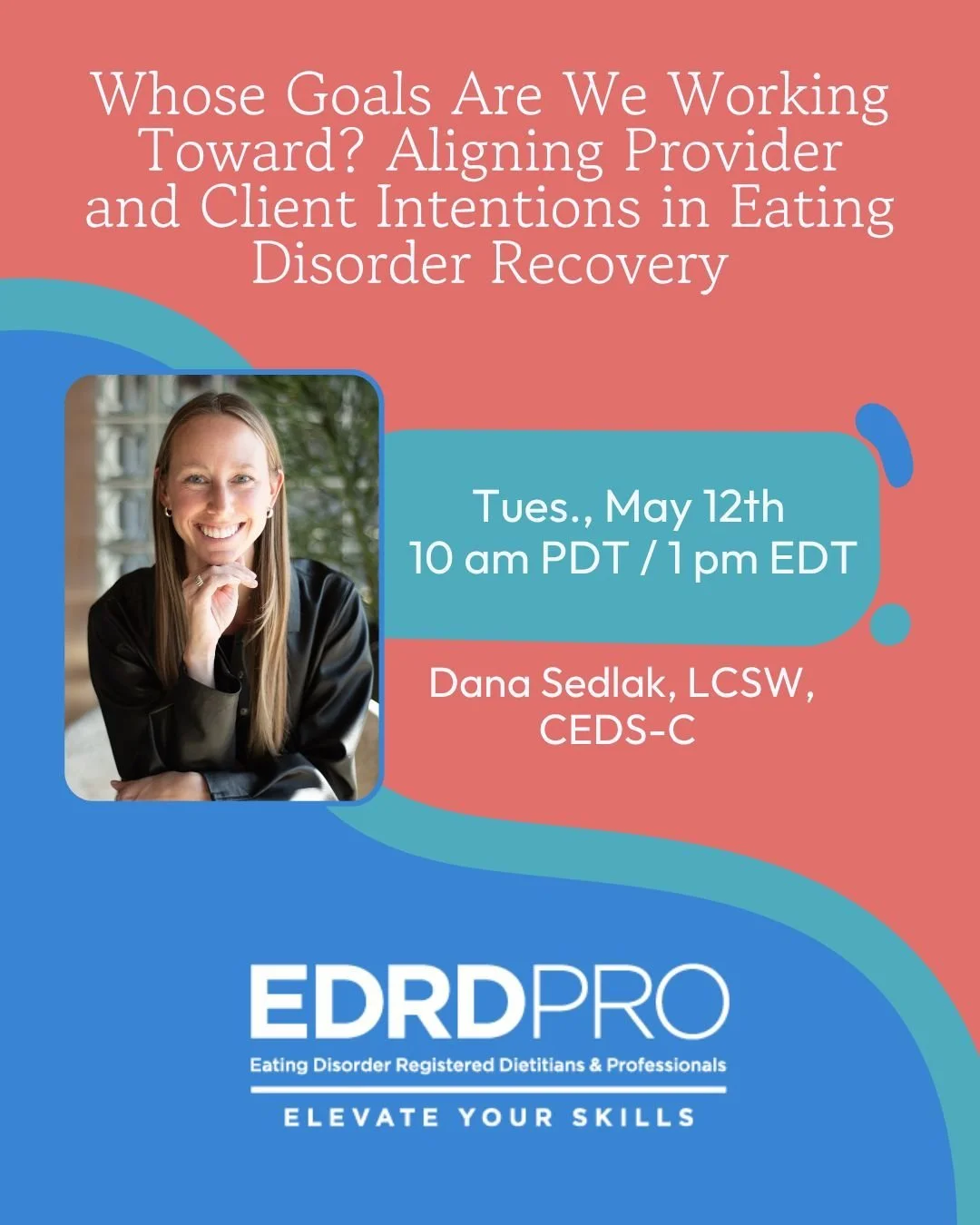
Providers will explore how to work effectively within a multidisciplinary treatment team by understanding the roles of key providers such as dietitians, physicians, and recovery coaches. The training will address common clinical challenges, including barriers to collaboration, countertransference, burnout, and the risk of unintentional harm through language or clinical framing. Participants will also learn how to recognize symptoms that may indicate the need for a higher level of care (HLOC), and how to continue supporting clients who face emotional or systemic barriers to accessing that care. Emphasis will be placed on balancing the therapist’s individual responsibilities with collaborative, team-based care to enhance treatment outcomes.
-
Specialized training to enhance understanding of medical and nutritional care for clients with eating disorders, equipping them with the knowledge to collaborate effectively with multidisciplinary teams and improve treatment outcomes.
-
This training explores how eating disorders, disordered eating, and body image concerns commonly present in college populations, a time marked by unique stressors and transitions. Participants will learn to identify warning signs, understand contributing factors, and apply practical strategies for supporting students in both prevention and intervention contexts.
-
This training provides an overview of how developmental stages uniquely shape the presentation, treatment, and recovery process for adolescents with eating disorders.
-
This training provides practical strategies to support clients with eating disorders in setting meaningful, client-centered goals. Participants will explore techniques to enhance motivation, foster autonomy, and create recovery-focused goals. Providers will gain skills to collaboratively guide clients toward sustainable progress while maintaining a strengths-based, holistic approach.
-
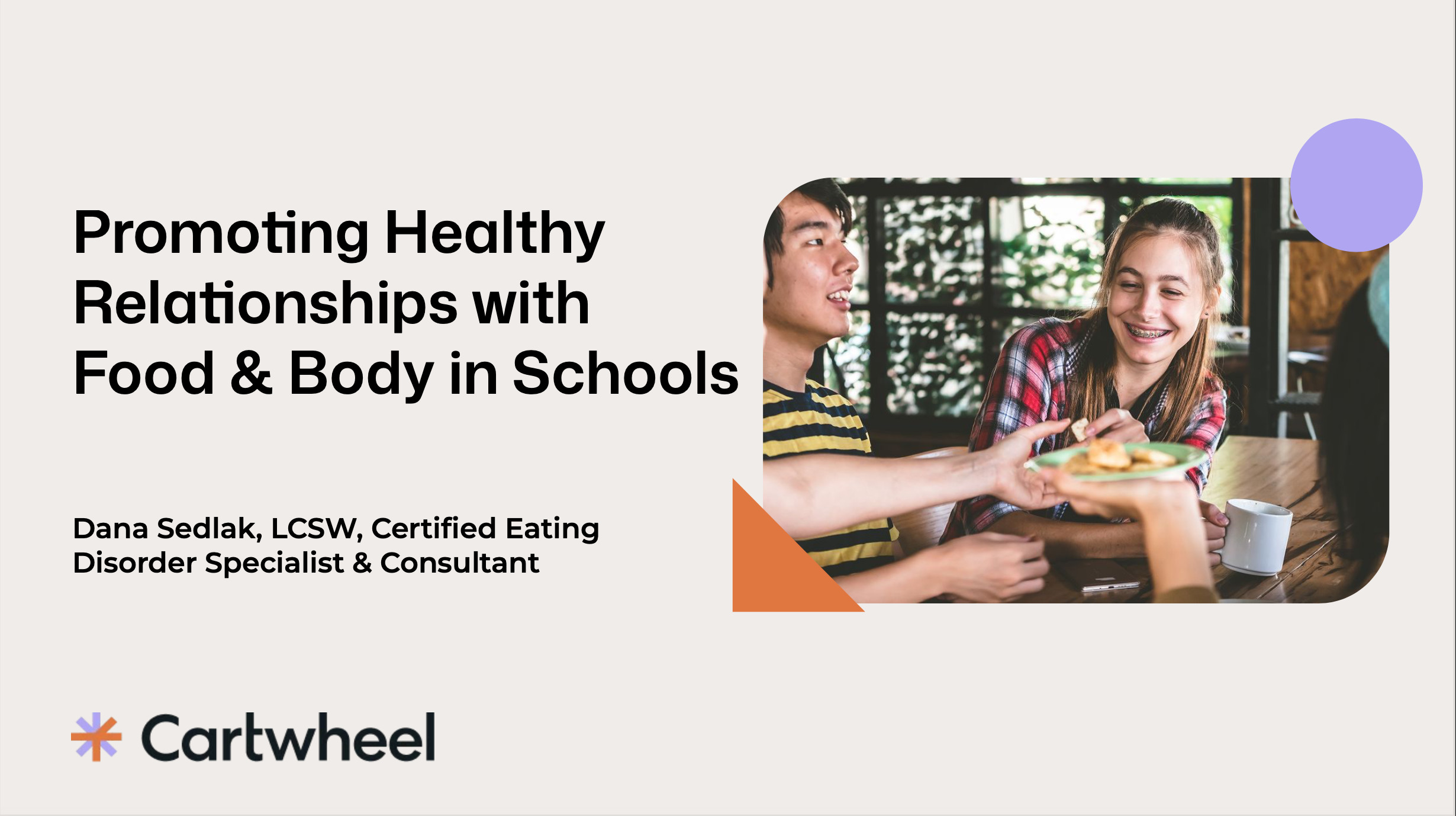
This one-hour training equips attendees with practical tools to foster healthy relationships with food and body, reduce risk factors for eating disorders, and create inclusive, supportive environments for all students. Participants will learn how language, policies, and classroom practices impact student well-being, along with concrete strategies to promote body respect, food neutrality, and early intervention. Designed with school staff in mind, the training emphasizes everyday interactions and systemic practices that can make a meaningful difference in student health and academic success.
Contact Me
I'd love to learn more about your organization and explore how we can work together.